Castor Oil & Derivatives
Ricinoleic Acid - Bulk Supplier & Exporter
The primary fatty acid of castor oil (~90%), obtained by controlled hydrolysis and purification. Used in soaps, surfactants, coatings and as an intermediate for Sebacic Acid, Undecylenic Acid and Nylon 11.
About Ricinoleic Acid
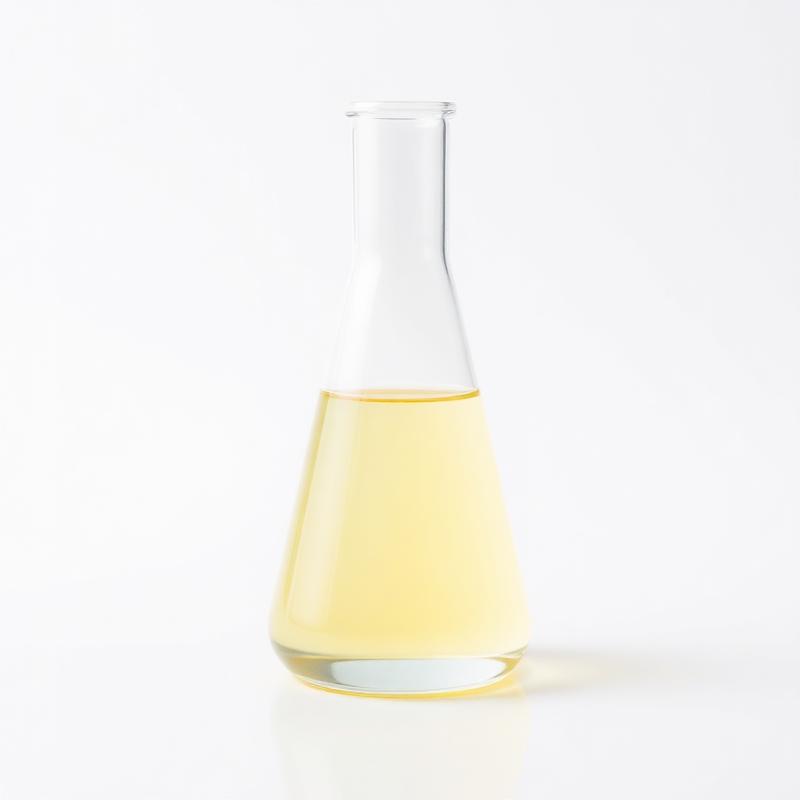
Ricinoleic acid is the hydroxy fatty acid that makes up roughly 90% of castor oil. It is recovered by controlled hydrolysis (splitting) of the oil followed by purification, and is supplied as a viscous liquid with an acid value of 175-185 mg KOH/g.
The combination of a carboxyl group, a double bond and a hydroxyl group on a single C18 chain makes ricinoleic acid unusually versatile - it is both a surfactant raw material and a chemical intermediate for higher-value molecules.
Biodyne supplies ricinoleic acid in 200 kg drums, 1,000 kg IBCs and 22-24 MT flexi or ISO tanks, with a batch Certificate of Analysis on every shipment.
Applications
Soaps & surfactants
Saponified into transparent soaps and used to build emulsifiers, wetting agents and sulfonated surfactants.
Specialty chemical intermediates
Feedstock for Sebacic Acid, Undecylenic Acid, heptaldehyde and downstream Nylon 11 production.
Coatings & lubricants
Used in alkyd and polyamide chemistry, as a lubricity additive, and in metalworking fluid formulations.
Personal care
Present in emollient esters, hair and skin formulations, and as a raw material for zinc ricinoleate deodorant actives.
Product Specifications
| Parameter | Specification |
|---|---|
| Acid Value | 175 – 185 mg KOH/g |
| Iodine Value | 82 – 90 g I₂/100 g |
| Hydroxyl Value | 155 – 165 mg KOH/g |
| Moisture Content | ≤ 0.5% |
| Specific Gravity (25 °C) | 0.945 – 0.960 |
| Melting Point | ~5 – 6 °C |
| Saponification Value | 175 – 185 mg KOH/g |
Packaging
- ISO Tanks / Flexi Tanks: 22–24 MT
- Steel Drums: 200 kg (Palletised / Unpalletised)
- IBC Containers: 1,000 kg (Palletised)
Storage & Shelf Life
- Store in a cool, dry place away from direct sunlight (10–30 °C).
- Shelf life: 12–24 months under recommended storage conditions.
Frequently Asked Questions
What is ricinoleic acid derived from?
It is derived from castor oil, where it makes up about 90% of the fatty acid content, and is isolated by hydrolysis and purification.
What purity do you supply?
Our standard commercial grade carries an acid value of 175-185 mg KOH/g and a hydroxyl value of 155-165 mg KOH/g; each batch ships with a Certificate of Analysis.
What is ricinoleic acid used to make?
Soaps and surfactants, coatings, lubricity additives, zinc ricinoleate, and as the intermediate route to Sebacic Acid, Undecylenic Acid and Nylon 11.
How is it packed for bulk export?
200 kg steel drums, 1,000 kg IBC containers, and 22-24 MT ISO or flexi tanks.
Related Products
Castor Oil FSG
Premium refined castor oil from selected seeds - cleaned, dehulled, mechanically pressed, then degummed, neutralised, bleached and filtered. Clear, pale yellow, low acidity, suited to pharma, cosmetics, food-grade and industrial use.
12-HSA
A high-performance fatty acid derivative of castor oil. Used as a gelling, thickening and lubricating agent - especially as the key thickener in lithium and calcium greases.
Dehydrated Castor Oil
A semi-drying oil produced by controlled dehydration of castor oil. Used as a cost-effective alternative to tung oil in surface coatings, alkyd resins and varnishes.
Browse the full castor oil and derivatives catalogue or book a call with our supply team.
Interested in Ricinoleic Acid?
Get pricing, samples and packaging options tailored to your requirements. Our team responds within 24 hours.